
Technology First Program

Empowering Independence Through Smart Solutions
Building Bridges Earns Technology First Accreditation, Strengthening Commitment to Independence and Innovation
October 30, 2025
Building Bridges Developmental and Community Services, Inc., is proud to announce that it has officially earned Technology First Accreditation from SHIFT, a national leader in advancing best practices for technology-supported services. This recognition marks a significant milestone in Building Bridges’ ongoing commitment to empowering individuals with intellectual and developmental disabilities to live as independently as possible.
SHIFT’s highest level of accreditation is awarded only after organizations complete rigorous education requirements and a comprehensive evaluation process. Accredited agencies demonstrate a strong culture of person-centered support and the effective integration of technology into everyday services — from communication tools and smart home devices to safety supports and digital learning platforms.
“Achieving Technology First Accreditation reaffirms our mission of promoting independence and acceptance,” said Janie Sexton, Executive Director of Building Bridges. “By combining compassion with innovation, we’re helping individuals gain greater control, confidence, and connection in their daily lives.”
What “Technology First” Means
The Technology First approach focuses on integrating technology into support plans in ways that increase independence and opportunity, while still honoring each person’s unique needs and preferences. This philosophy ensures that people can live more independently, safely, and productively, supported by both trained staff and modern technology.
For Building Bridges, this accreditation represents more than an achievement — it’s a reflection of the organization’s future-forward vision. As the demand for services grows and the workforce landscape changes, integrating technology allows Building Bridges to provide sustainable, personalized supports while expanding opportunities for independence and inclusion.
To learn more about the SHIFT training, read below.
The Enabling Technology Pilot Program is a statewide initiative designed to help individuals with developmental disabilities live more independently and safely using assistive technology. Through this grant-funded pilot, eligible Building Bridges clients have access to tools that support daily living, communication, and safety.
What is Enabling Technology

The Enabling Technology Pilot Program is an initiative through the Arkansas Department of Human Services’ Home & Community Based Services Department with a goal to empower individuals with the tools and technology necessary to lead more independent lives within their community.
Building Bridges is one of 12 DDS providers in the state of Arkansas in this pilot program. As part of the program, our staff has completed extensive training designed to increase knowledge of professionals supporting people with the use of technology solutions
Benefits of Participation
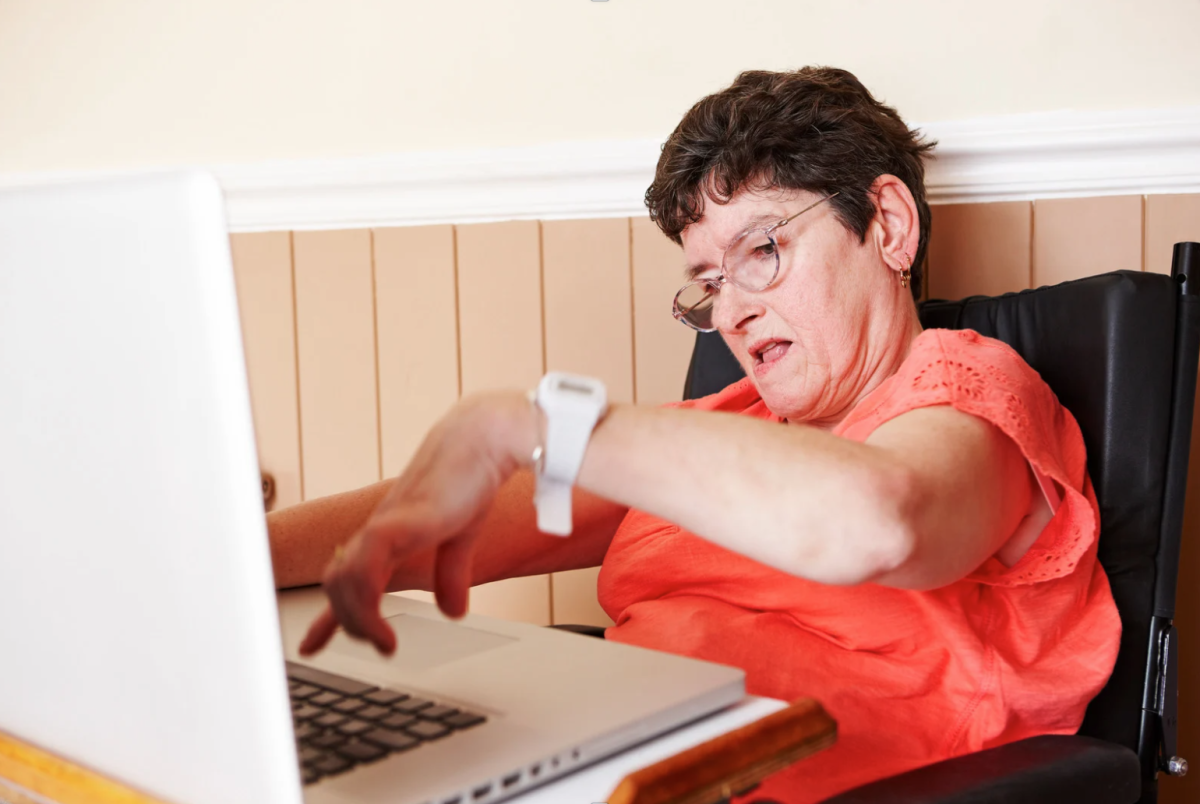
- Greater independence at home and in the community.
- Safer, more responsive care.
- Empowerment through daily decision-making.
- Reduced need for in-person support.
- Increased privacy and dignity.
Training
Establishing an enabling technology mindset with our clients requires an energetic, enthusiastic team dedicated to person-centered, technology first thinking. The BBDCS CES Waiver and Admin Team completed extensive SHIFT training preparing them to establish that mindset.
SHIFT Training is online education and accreditation platform that is advancing and standardizing Technology First best practices and programming. A Technology First approach to services isn’t about acquiring the latest and greatest gadgets – it’s about the idea that technology should always be considered as an option for providing support.
SHIFT’s accreditation and education are supporting state agencies, provider organizations, and others as they make the “shift” to Technology First. This approach to services is dependent on a person-centered approach being firmly established among supporters and within an organization’s or agency’s culture.
With SHIFT training and accreditation, our team has:
- Understanding of what is meant by the phrase “Technology First approach to services” and how it relates to person-centered practices.
- Awareness of the practical application of commonly used enabling technologies.
- Insight into how enabling technologies can be utilized by people in a variety of settings.
- Understanding of each team member’s role and responsibilities in supporting people with their technologies.
- Knowledge of core best practices for the adoption and implementation of a Technology First approach to services.
Examples
Some examples of technology that can be utilized:
- Home Sensor Systems: Designed to provide non-visual monitoring of individuals daily living activities and identify concerning or adverse behavior patterns before the effects of those patterns cause safety or care concerns.
- A home sensor system is a customized, person-centered solution using a combination of technology devices which may include motion detectors, door sensors, panic pendants, pressure sensors, stove sensors, smoke detector listeners, and more
- Sensors are typically linked to a central unit or hub in the residence which coordinates the alerting of caregivers and staff when a potential event occurs. See below for an example of a successful home sensor system implementation.
- Kitchen Safety
- Medication Management: Medication adherence and compliance technology assists individuals in taking their medications on time. This largely accomplished through the use of medication dispensers.
- Medication dispensers provide a secure administration method for individuals who are capable of self-administration of medication but who may need a reminder and/or visual confirmation. Various solutions are available that provide a combination of the following features:
- Remote Support: Offers a flexible solution to assist in the care of individuals while providing them greater independence and self-determination.
- A Remote Support solution promotes direct contact with support staff when the individual needs it. Typically coupled with technology such as motion detectors, door sensors, two-way audio/video communication devices, an individual can be prompted to complete their activities of daily living without staff involvement.
- Support staff are alerted when certain activities occur and follow support procedures that are person-centered.
- Task Prompting: Involves utilizing a technology device such as a smart speaker, wearable device such as a watch, or another mobile device to provide guidance to an individual either upon request or at a specified time.
Vendors
Below you will find vendor information with links to vendor websites and marketing materials. We will continue to enhance this page to include vendor capabilities matrix to help you identify vendors who provide the services you are seeking.
- Ability Tech
- AbleLink Smart Living Technologies
- Aloe Care Health
- AngelSense
- Avail
- Awake Labs
- Boundary Care
- Create Ability
- Dose Health
- Floreo
- Grand Care Systems
- Impruvon Health
- Life Sherpa
- Livi at Home
- Map Habit
- NextGenAT
- NOSS
- Nomo Smart Care
- Safe in Home
- Senqistix
- Simply Home
- Spencer Health Solutions
- Station MD
- Voiceitt